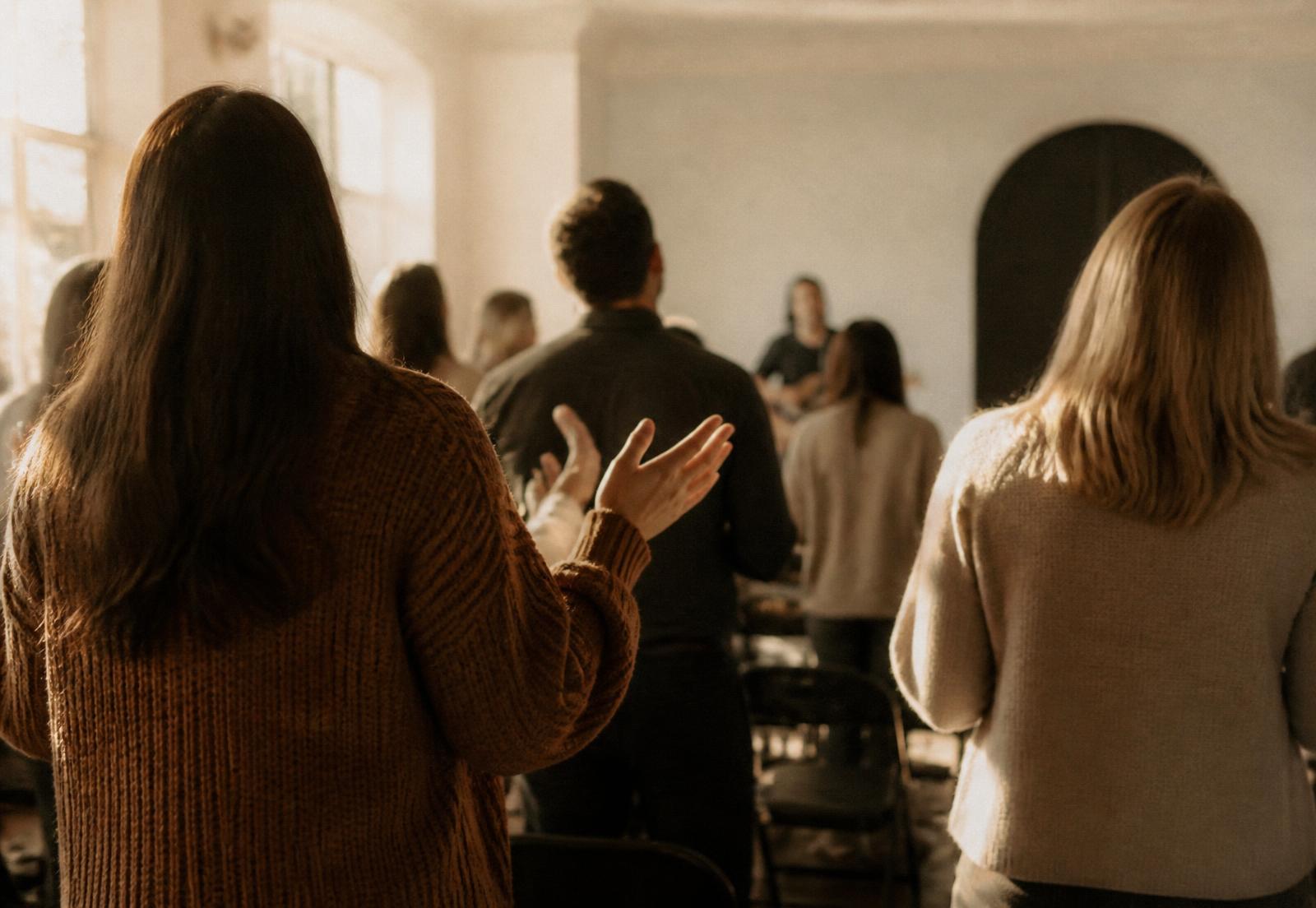
A Fourth-Century Woman Takes Us to Church
Egeria and the Psalms in Fourth-Century Jerusalem
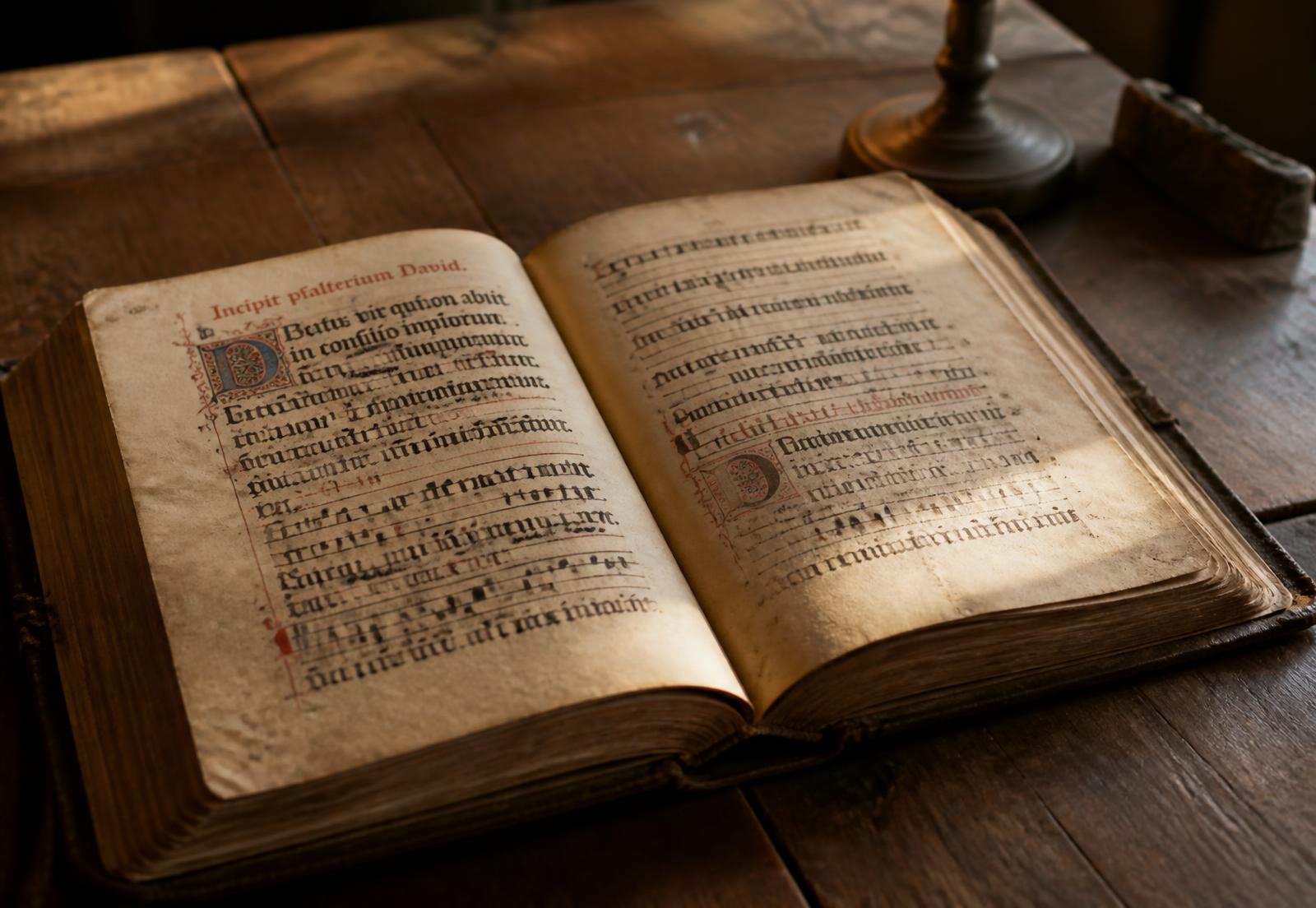
One of the most fascinating witnesses we have to early Christian worship is not a bishop, theologian, or church council. It is a woman named Egeria.
Sometime in the late fourth century, probably in the 380s, Egeria traveled from the Latin-speaking West through the biblical lands. She visited Sinai, Egypt, Palestine, Syria, and Mesopotamia, and she wrote about her journey for Christian women back home whom she affectionately called her “sisters.”
Fortunately, part of her account survives. And what makes it so valuable is that Egeria is not trying to write a theology of worship. She is simply telling her sisters what she saw.
When she reaches Jerusalem, she gives us an extraordinarily detailed description of Christian worship. There are bishops, priests, deacons, monks, virgins, ordinary men and women, children, pilgrims, enormous crowds, processions, Scripture readings, prayers—and a remarkable amount of singing.
Three things in particular are worth noticing.
The Psalms Organized Christian Time
First, it is difficult to miss just how often these Christians were singing.
They sang before sunrise. They sang in the morning, at the sixth hour, at the ninth hour, and at evening prayer. They sang through the night during vigils. They sang on Sundays and throughout Holy Week. They sang at Easter and the Ascension. They sang while gathered in churches, and they sang while walking together through Jerusalem.
The Psalms seem to have helped give shape to both the Christian day and the Christian year.
This does not mean that every Christian participated in every service. Egeria tells us, for example, that some people remained through the night while others returned home to sleep. But the sheer density of Psalm singing is striking. The Psalms were not an occasional addition to Christian worship. They were woven into its rhythm.
The Psalms Interpreted the Moment
Second, Egeria repeatedly tells us that the Psalms, antiphons, readings, and prayers were chosen because they were suitable to the day and the place.
That is significant.
The church was not simply singing Psalms because singing Psalms was part of the liturgy. Particular words were chosen because they helped the congregation understand what they were remembering.
This becomes especially vivid during Holy Week. The congregation moves through Jerusalem and the surrounding area, remembering the events of Jesus’ final days in the places associated with those events. They gather on the Mount of Olives. They descend toward Gethsemane. They return to Jerusalem. They gather at the Cross and at the place associated with Jesus’ resurrection. Along the way they read Scripture, pray, and sing words appropriate to what they are remembering and where they are standing.
In other words, the Psalms were helping the church interpret the story of Jesus.
Scripture was not merely something explained to the congregation. Scripture gave the congregation words with which to participate in the story.
Psalm-Saturated, Not Psalm-Exclusive
There is one important qualification.
Egeria does not describe a church that sang only Psalms. She speaks of Psalms, hymns, antiphons, Scripture readings, prayers, blessings, and congregational responses. At evening prayer, for example, children repeatedly respond Kyrie eleison—“Lord, have mercy.”
Some caution is also necessary because words such as “hymn” and “antiphon” did not necessarily mean what they mean in modern churches. An antiphon often describes a way of singing rather than a completely different category of song, and some of what Egeria calls hymns may well have been biblical Psalms or other biblical songs.
So it would be too much to say that these Christians sang only the Psalms.
But it would be difficult to read Egeria and miss the larger point: their worship was saturated with the Psalms.
The Psalter accompanied prayer, procession, pilgrimage, fasting, celebration, grief, baptism, the Lord’s Supper, and the remembrance of the life, death, resurrection, and ascension of Jesus.
That is what makes Egeria such an important witness.
Basil helps us understand why singing the Psalms forms the Christian. Athanasius helps us understand how the Psalms give words to the movements of the soul. Egeria gives us something different. She takes us to church.
Through her eyes we get to watch what happened when the Psalms were woven into the ordinary rhythms of Christian worship and life.
We have prepared a modern Reader’s Edition of Egeria’s account so that these remarkable descriptions can be read in her own voice.
Basil helps us understand why singing the Psalms forms the Christian. Athanasius helps us understand how the Psalms give words to the movements of the soul. Egeria gives us something different. She takes us to church.
“Egeria gives us something different. She takes us to church.”
Send this to someone who needs the Psalms this week.

Experience this Psalm
Begin with any Psalm. Stay for a lifetime.