Changing the Music in Church
Basil the Great and a Fourth-Century Worship Controversy

Did you know that changing the way we sing in church was causing controversy 1,650 years ago?
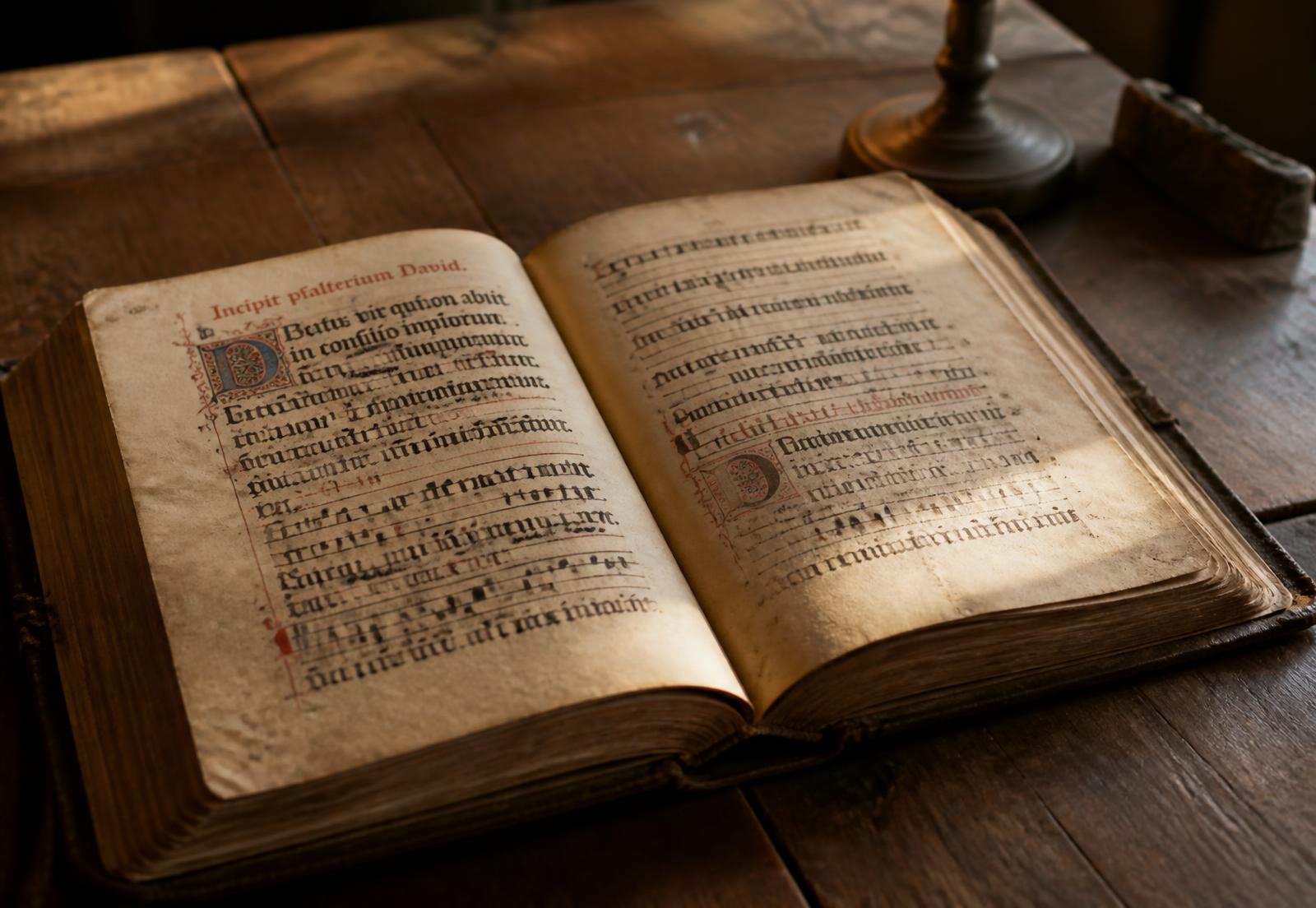
Basil the Great was a fourth-century pastor and theologian. At one point, Christians in Neocaesarea became upset with him because he was introducing a new way of singing the Psalms.
The controversy wasn’t about whether Christians should sing the Psalms. Everyone seems to have agreed about that. The controversy was about how they should sing them.
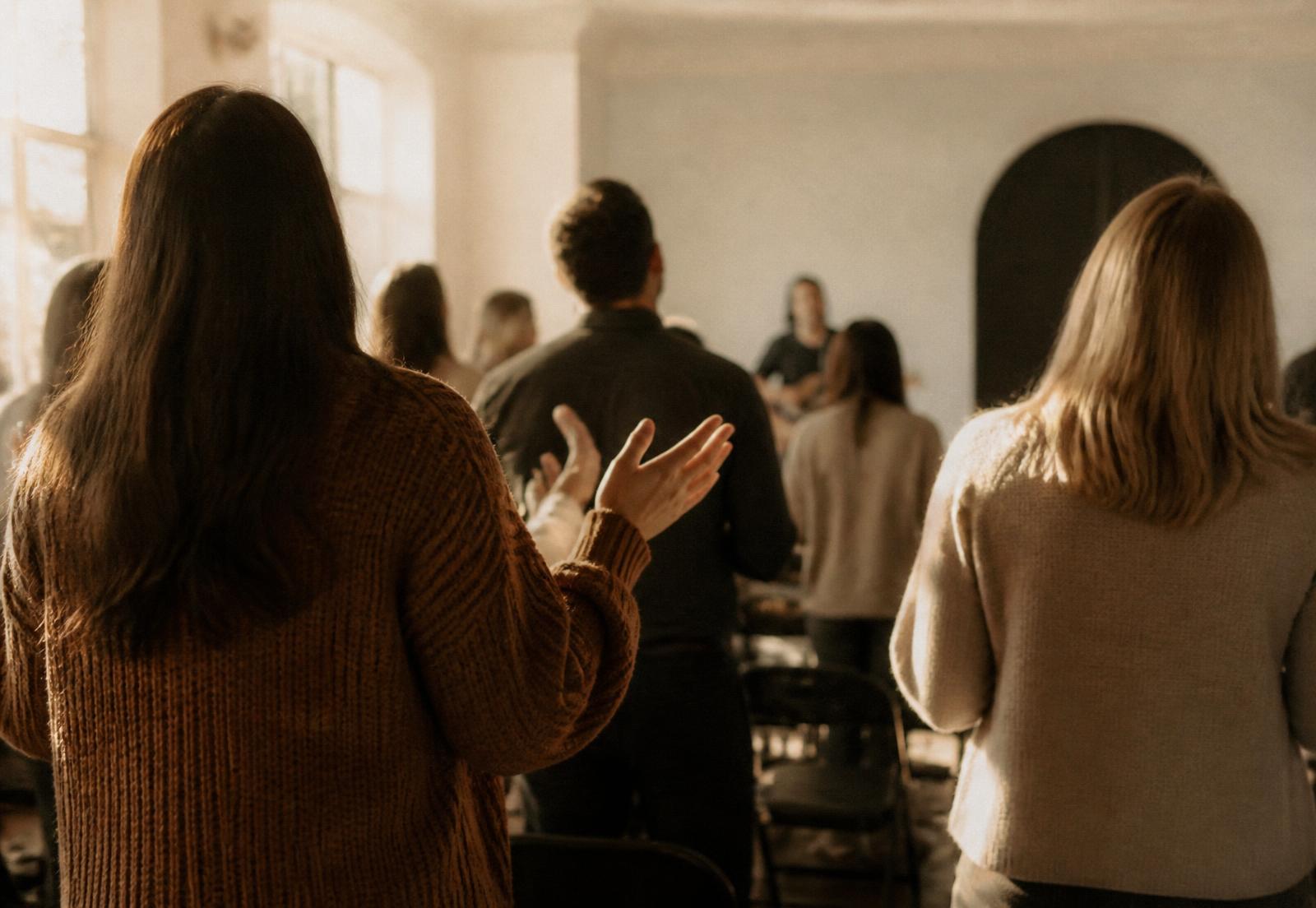
Basil describes Christians gathering during the night for prayer and confession. They would divide into groups and sing Psalms back and forth to one another. At other times, one person would lead and the congregation would respond. They would alternate Psalm singing and prayer throughout the night and then, as morning came, join together “as with one voice and one heart.”
The Christians in Neocaesarea objected. This wasn’t how they had done it before.
Basil’s response is fascinating. He points out that Christians were already worshiping this way in churches throughout the eastern Christian world. More importantly, he argues that faithfulness to the tradition does not mean that every practice must remain unchanged.
It seems to me that Basil is making an important distinction: the Psalms are given to us; the way we sing them can develop.
Why Sing the Psalms?
What makes the controversy even more interesting is that Basil had a remarkably developed theology of singing.
He compares the Holy Spirit to a wise physician who mixes something sweet with medicine so that we will take what is good for us. That, Basil says, is what God has done by joining his Word to music.
We remember what we sing.
And as we sing the Psalms, something happens to us. Basil says they teach us, calm our anger, shape our desires, bring us together with other Christians, and plant the Word of God deeply within us.
He even makes the remarkable claim that Psalm singing drives away demons and brings the help of angels—a claim we also found in Athanasius.
Perhaps that helps explain why Basil was willing to embrace new ways of singing the Psalms.
He wasn’t trying to change the song. He was trying to help the church sing it.
We have put together a modern Reader’s Version of Basil’s Homily on Psalm 1 and Letter 207. There is much more here than I can cover in a short Field Note. I’d encourage you to read Basil for yourself.
He wasn't trying to change the song. He was trying to help the church sing it.
“He wasn't trying to change the song. He was trying to help the church sing it.”
Send this to someone who needs the Psalms this week.

Experience this Psalm
Begin with any Psalm. Stay for a lifetime.